
Ramadan Kareem! Please note our Ramadan timings: Monday to Friday, 8:30 AM – 4:00 PM
Learn more about our Opening Hours.

Insulin is a hormone made by the pancreas that allows glucose to enter into the body’s cells to produce energy. During the digestive process, carbohydrates are broken down into glucose, which travels via the bloodstream to the cells, where insulin acts as a key to unlock the cells and let the glucose enter them.
There are three main forms of diabetes: type 1, type 2 and gestational diabetes.
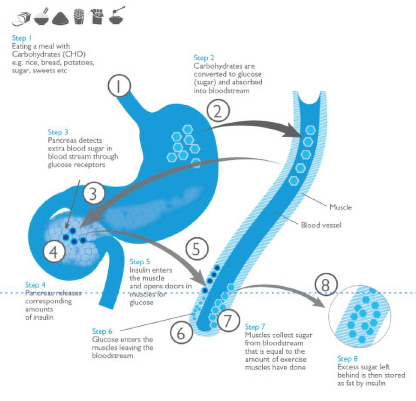
Type 2 diabetes is the most common form of diabetes, affecting more than 90% of all diabetics.
With type 2 diabetes, your body either resists the effects of insulin — a hormone that regulates the movement of sugar into your cells — or doesn’t produce enough insulin to maintain normal glucose levels.
Most individuals with type 2 diabetes develop it after the age of 40, however, increasingly younger adults and even children are being diagnosed with the disease.
Type 2 also tends to run in families. The number of people with type 2 diabetes is increasing worldwide as it is more common in people who are overweight or obese, and these conditions are also increasing.
There’s no cure for type 2 diabetes, but losing weight, eating well and exercising can help manage the disease. If diet and exercise aren’t enough to manage your blood sugar well, you may also need diabetes medications or insulin therapy.
Signs and symptoms of type 2 diabetes often develop slowly. In fact, you can have it for years and not know it.