Ramadan Kareem! Please note our Ramadan timings: Monday to Friday, 8:30 AM – 4:00 PM. Learn more about our Opening Hours.

Ramadan Kareem! Please note our Ramadan timings: Monday to Friday, 8:30 AM – 4:00 PM. Learn more about our Opening Hours.

After a month of fasting during Ramadan, the arrival of Eid al-Fitr is a time of joy, celebration and gathering with family and friends. Meals return to regular timings, and festive tables are often filled with rich dishes and traditional sweets.
However, after several weeks of fasting from dawn to sunset, the body has adapted to a different eating rhythm. Returning suddenly to large or frequent meals can place stress on digestion and may cause fluctuations in blood sugar levels, particularly for people living with diabetes. A gradual and balanced transition can help the body readjust while allowing you to fully enjoy the celebrations.
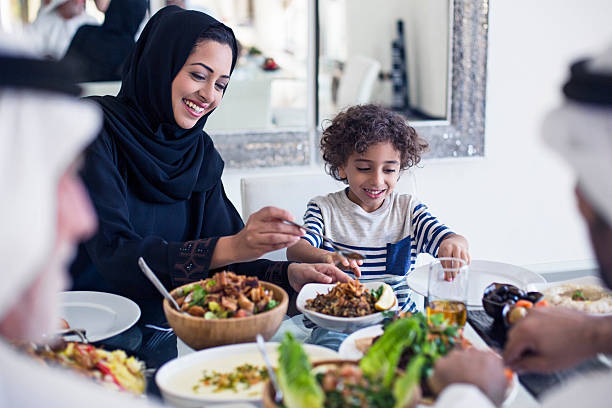
Why the Body Needs Time to Re-adjust
During Ramadan, many people eat only two main meals a day - iftar and suhoor - and the body adapts to this pattern including changes in meal timing and digestion. Metabolism, insulin sensitivity and digestion may change slightly during this period.
Once Eid arrives, meal frequency and portion sizes often increase. Rich foods, desserts and sugary drinks may also become more common. This sudden shift can lead to digestive discomfort, fatigue, or spikes in blood glucose levels if eating habits change too quickly.
Taking a balanced approach in the days following Ramadan helps the body transition smoothly and supports overall wellbeing.
Start with Balanced Portions
It can be tempting to enjoy large meals after a month of fasting, but moderation is key during the first few days of Eid. Try to:
A balanced plate supports steady energy levels and helps prevent sudden spikes or drops in blood glucose.
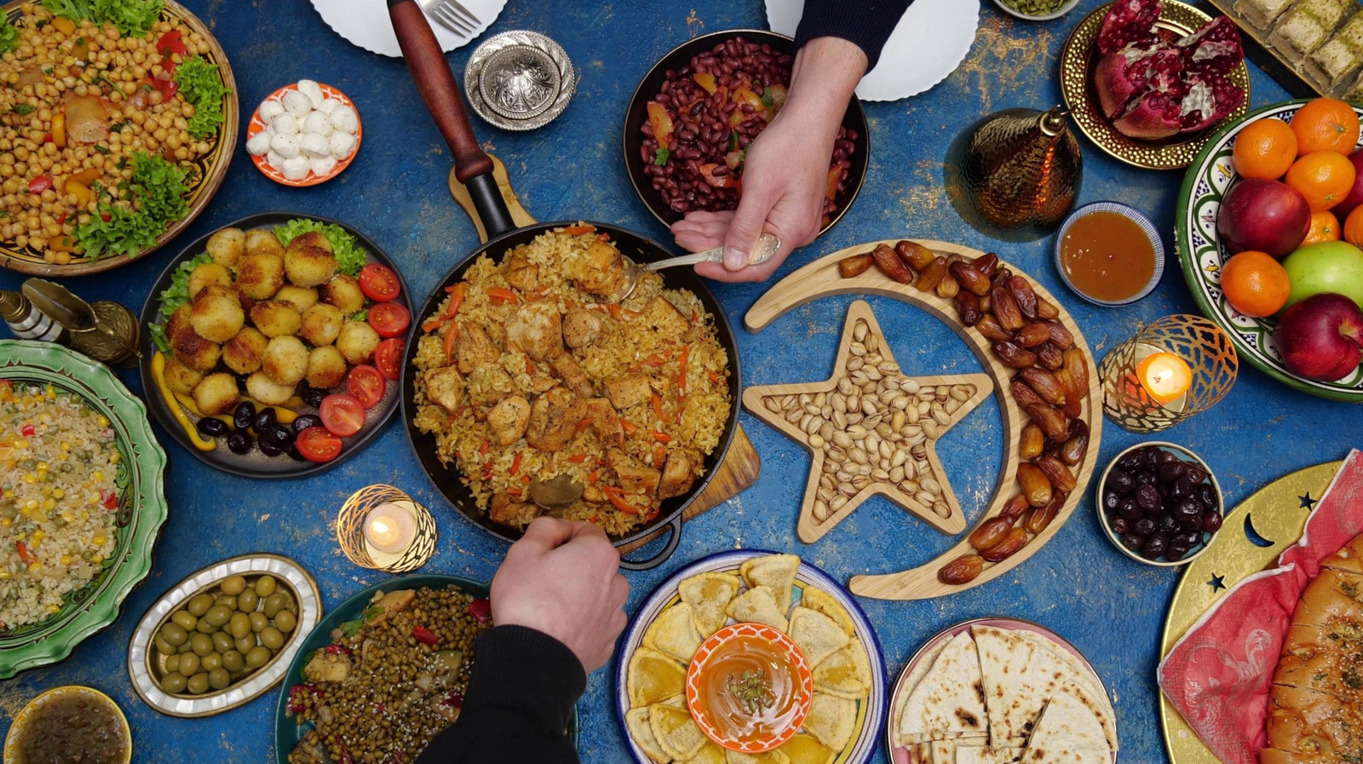
Be Mindful with Eid Delicacies
Traditional Eid meals may often include fried or heavy dishes and a variety of sweets and desserts. While these treats are an important part of the occasion, moderation can help protect your health. Limiting fried foods and very rich meals during the first few days after Ramadan can help prevent digestive discomfort.
Helpful tips include:
People living with diabetes should also monitor their blood glucose levels more closely during the festive period.
Rebuild Healthy Meal Timing
After Ramadan, gradually returning to a regular meal schedule can help your body regain its usual rhythm. Consider:
Regular meal timing helps regulate metabolism and can support better blood sugar control.
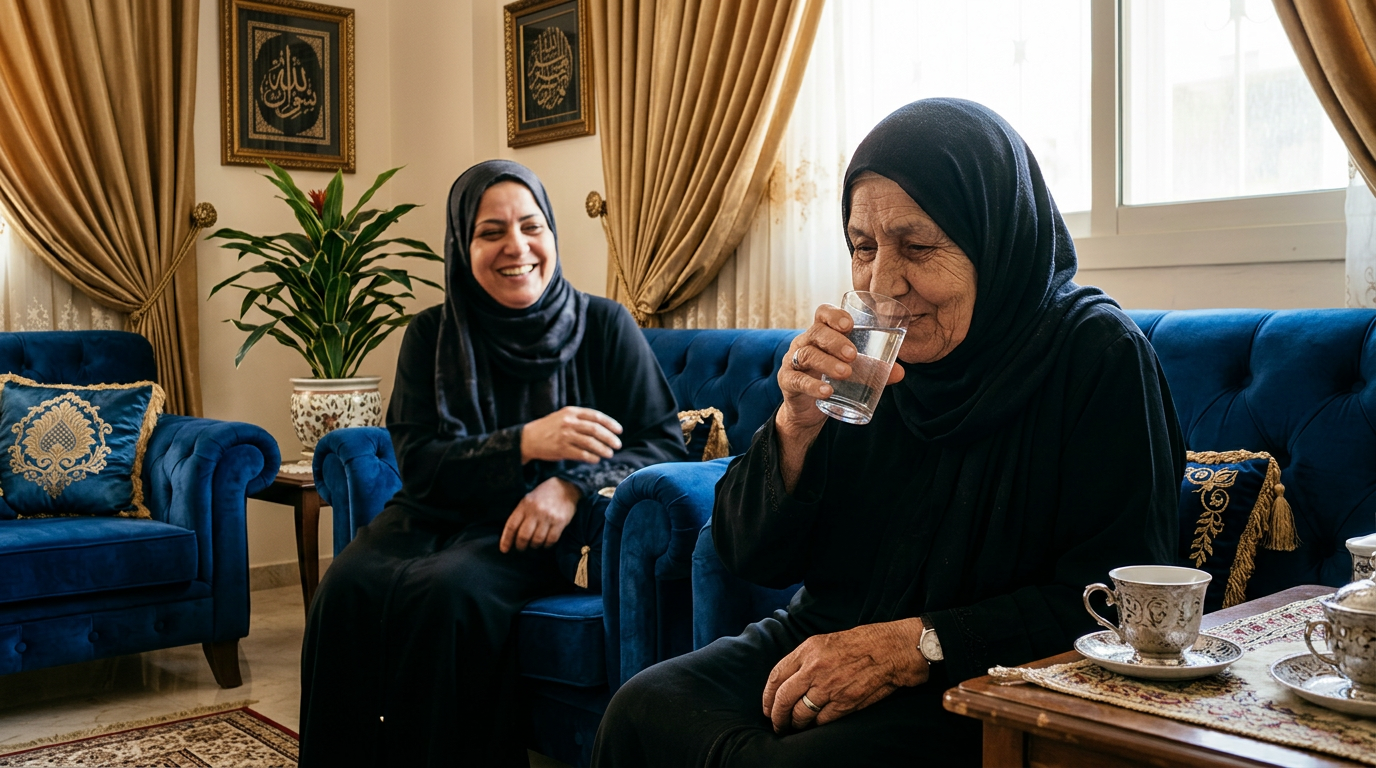
Stay Hydrated
Hydration is another important part of the transition after Ramadan. Many people may have consumed less water during fasting hours and may still need to rebuild their hydration habits.
To stay well hydrated:
Proper hydration supports digestion, energy levels and overall health.
Maintain Physical Activity
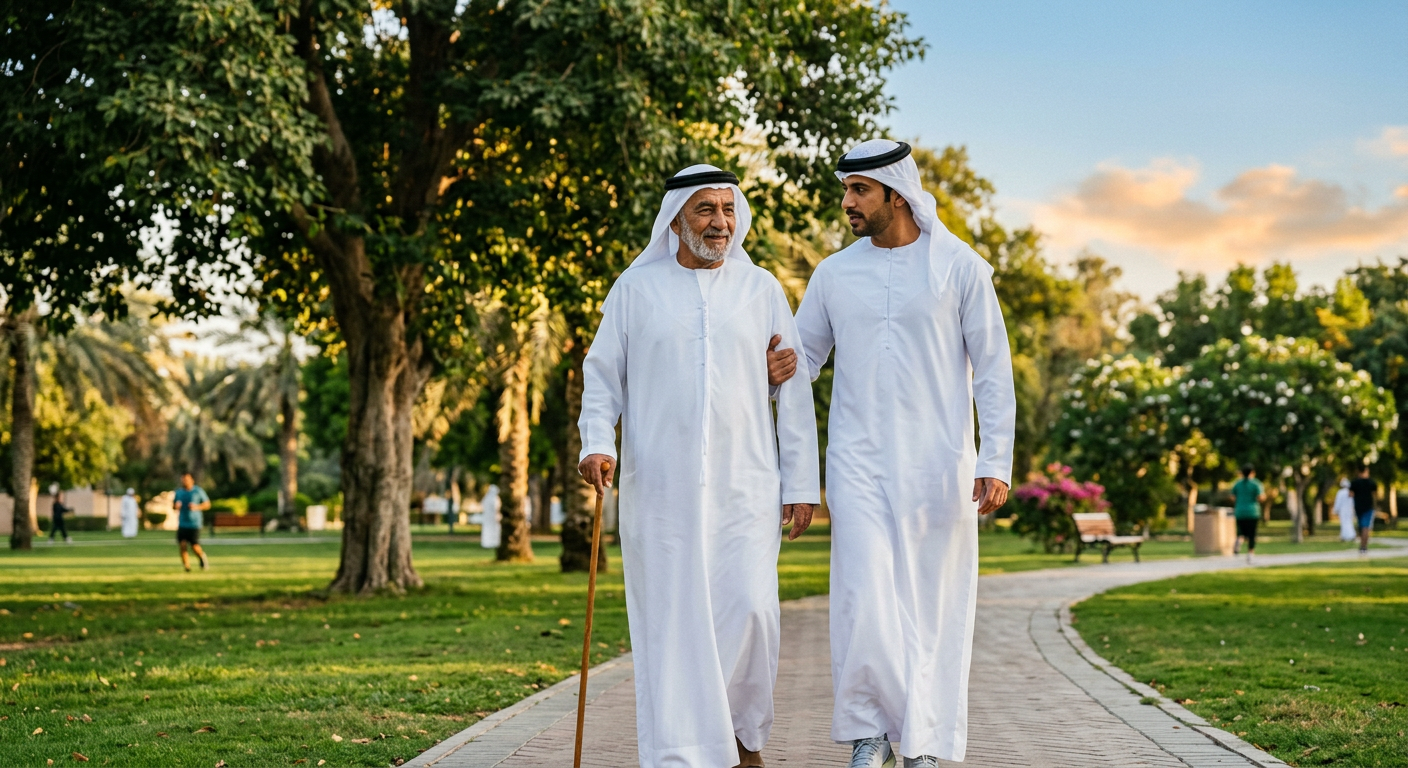
During Eid celebrations, daily routines may change, and physical activity can sometimes decrease. Light physical activity, such as walking after meals, can support digestion and help maintain more stable blood glucose levels.
Simple activities such as:
can all contribute to maintaining good health during the festive period.
When to Seek Medical Advice
For individuals living with diabetes or other endocrine conditions, changes in eating patterns may affect blood sugar control. If you notice persistent fluctuations in glucose levels, fatigue, dizziness, or digestive discomfort, it may be helpful to consult a healthcare professional.
Our experts at Imperial College London Diabetes & Endocrine Centre provide comprehensive care and guidance for people living with diabetes and endocrine conditions. If you have concerns about managing your health after Ramadan, speaking with an endocrinologist, dietitian or diabetes educator can help you develop a safe and personalised plan.
Eid is a time to celebrate, reconnect and enjoy special meals with loved ones. By approaching the transition from Ramadan with balance and mindfulness, you can protect your health while making the most of this joyful occasion.
Call 80077 or Request an Appointment for more information or to schedule your consultation today.


